
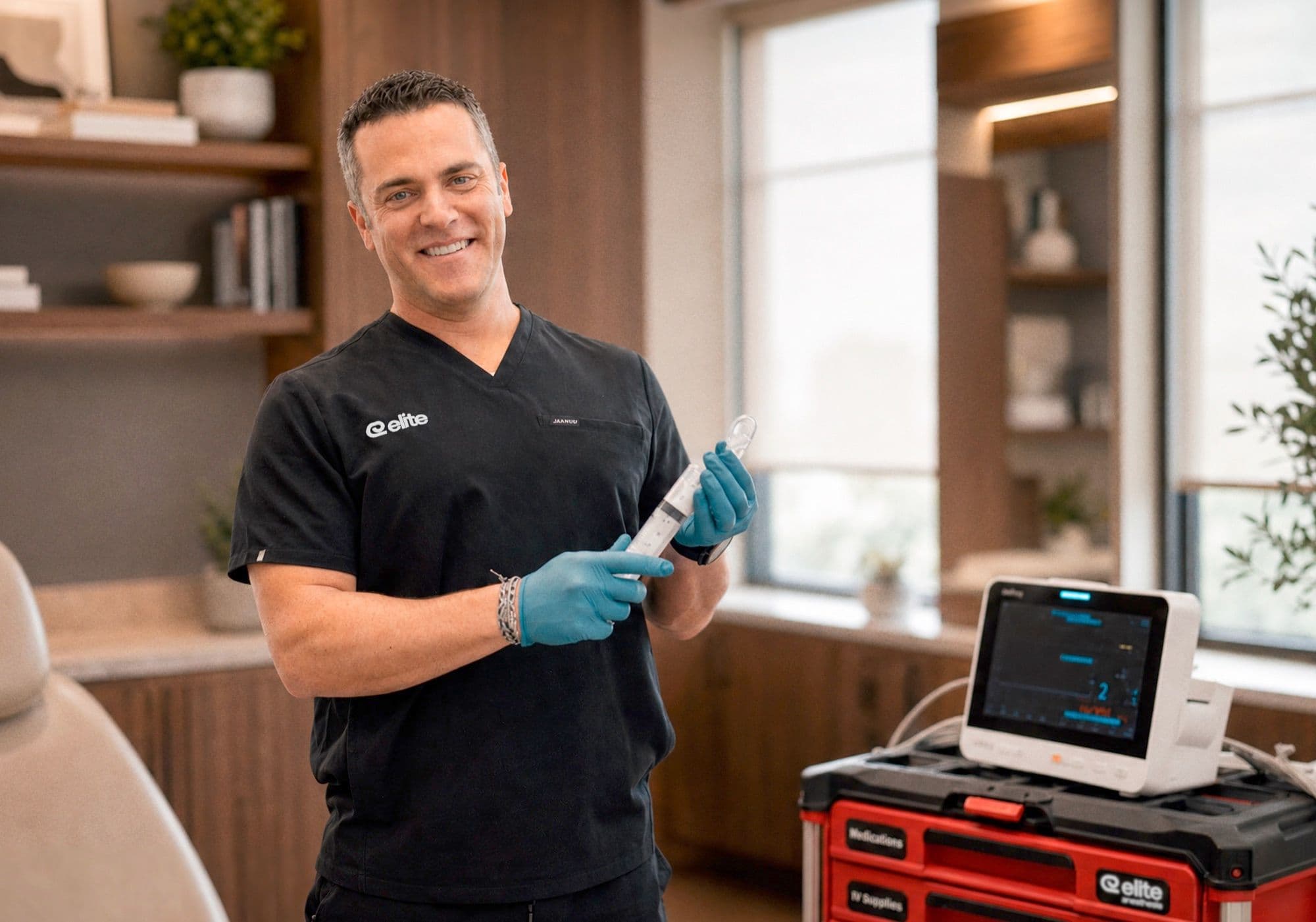
Mobile Medical Anesthesia for In-Office Procedures
Hospital-grade anesthesia support for medical, surgical, and procedural practices — without OR dependency.
Why Medical Anesthesia Matters
Certain procedures demand deeper sedation to ensure patient immobility, comfort, and physiologic stability.
Dedicated anesthesia allows providers to focus entirely on the procedure — without managing pain, movement, or vitals.
Continuous monitoring and airway management reduce variability and improve procedural consistency.
Office-based anesthesia expands procedural capability while minimizing hospital scheduling delays and costs.
When to Consider Medical Anesthesia
Procedural Sedation Requirements
Procedures that exceed the limits of local anesthesia or minimal sedation benefit from dedicated anesthesia support.
Extended Procedure Duration
Longer cases require stable sedation and physiologic monitoring to maintain safety and efficiency throughout.
Patients Requiring Close Monitoring
Patients with comorbidities, low tolerance, or special considerations benefit from continuous anesthesia oversight.
Airway & Physiologic Control
A dedicated anesthesia provider manages airway, oxygenation, and hemodynamics in real time.
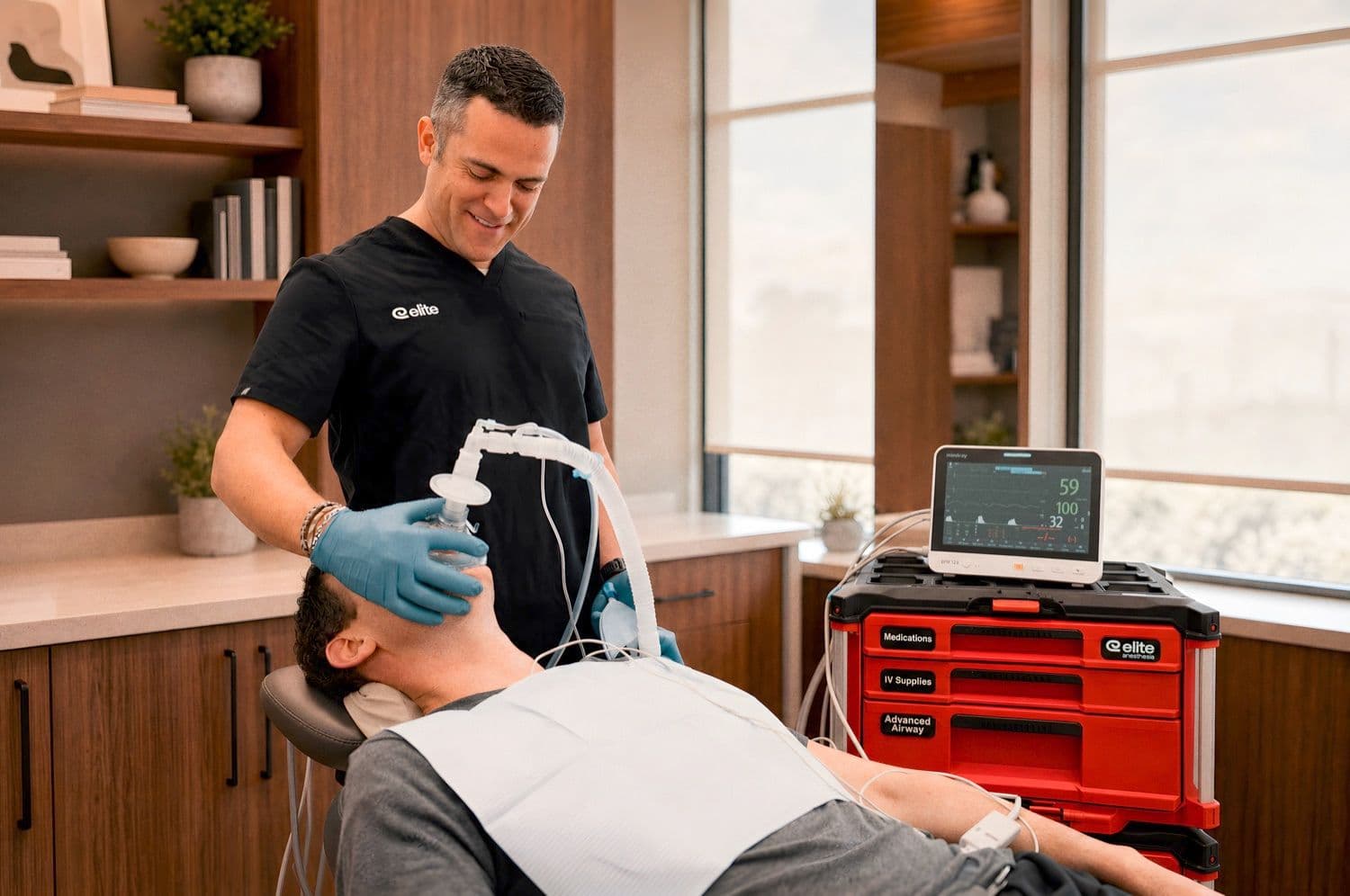
How Mobile Medical Anesthesia Works
Our anesthesia team integrates directly into your practice. We conduct pre-procedure assessments, provide all monitoring and medications, administer IV anesthesia, manage airway and vitals throughout the case, and oversee controlled recovery — while maintaining complete clinical documentation.
See the Full Process →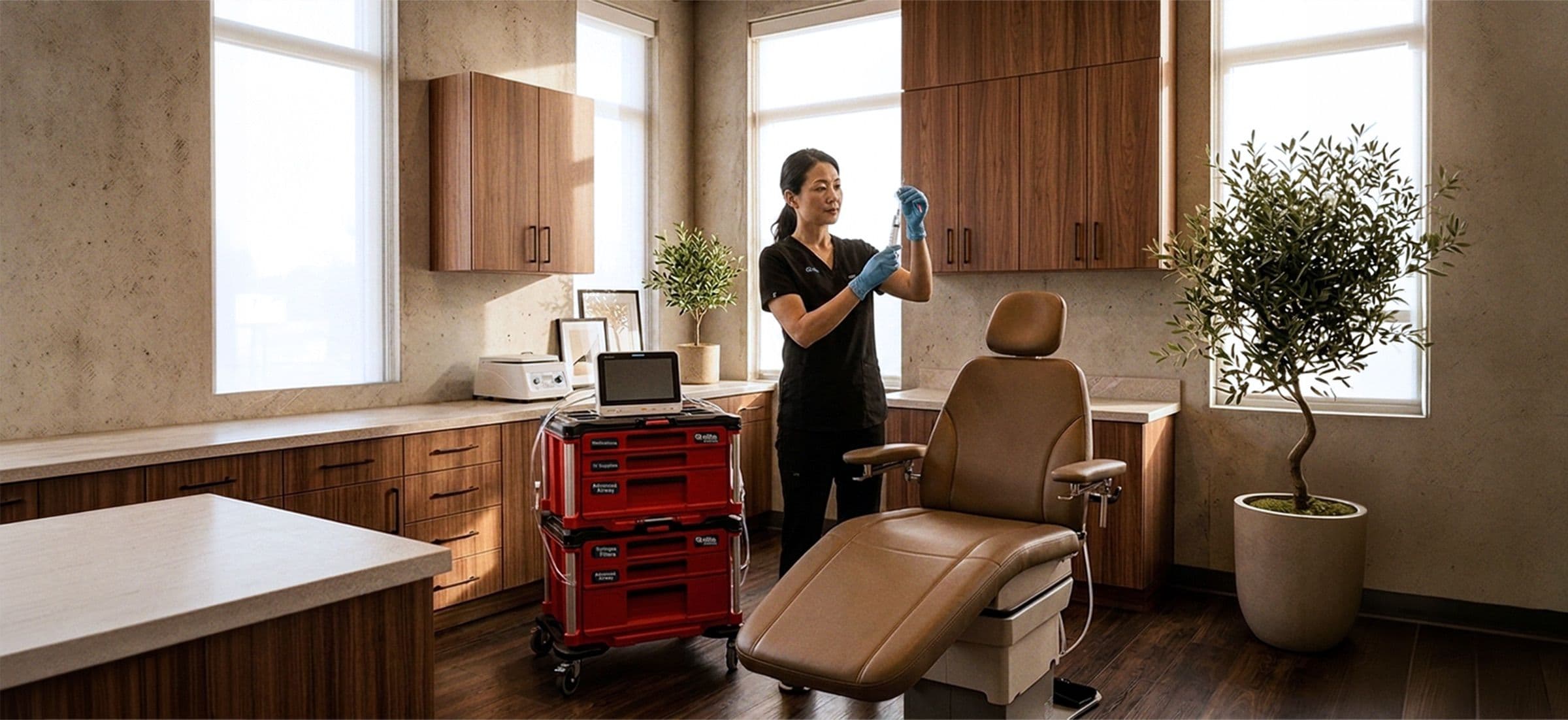
Our Anesthesia Safety Standards
All anesthesia services are delivered by board-certified anesthesiologists and CRNAs using hospital-grade equipment and medications. We adhere to national office-based anesthesia guidelines and maintain full emergency preparedness, including BLS, ACLS, and PALS certification for every case.
View Our Safety Protocols →